
.png&w=1920&q=75)
Blogs/Desert Sound
Why Calibration Is Key to a Stunning Home Theater Experience
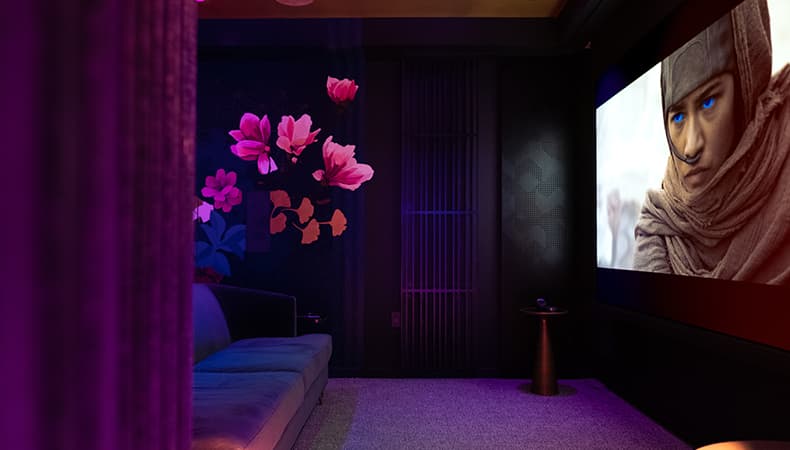
Uncalibrated gear plays the showroom preset, not your room. Colours shift, dialogue sits under the effects, and one seat gets all the bass.
Picture
A TV or projector out of the box is often too blue, too bright, or both. Set brightness, contrast, colour, and a cinema-style picture mode so skin tones hold and black still has detail. That is the difference between a bright panel and a watchable film.
Audio
Speakers in a hard lounge will sound uneven until levels, distances, and EQ match the seats. Calibration sets:
- Level so no speaker shouts over the centre
- Distance so arrivals line up at the main seat
- EQ so bass and dialogue stay separate
That is what makes a soundtrack feel like one image instead of a pile of boxes.
The room is part of the system
Floors, glass, and furniture change both light and sound. Hard floors ring. Sun on the screen kills contrast. Calibration includes those constraints: brightness for a day-lit wall, speaker trim for a reflective room. A projector aimed into afternoon sun needs the room treated or the image will not hold.
Gear lasts longer
A projector left on maximum lamp and speakers driven into clip wear faster. Sensible limits are part of a proper pass. Comfort is the other half: a crushed, over-bright image and a shouting sub are tiring on a long film.
How to do it without guessing
Use a calibration disc or a tool such as THX Optimizer, then confirm on a film you know. Note lights-on versus lights-off before you lock settings. If you do not want to own that process, it belongs in the install — not as a favour later.
Calibration is how a home theatre reaches the performance you already paid for. Book it with Desert Sound.
Continue exploring
Contact
Ready to plan the room?
+92 21 111 570 111 · info@desertsound.com.pk
22-C/II, 2nd Zamzama Commercial Lane, Phase V, DHA Karachi
Get in touch